Paper clutter doesn’t happen overnight. Neither does peace of mind. The good news? A simple filing system can completely change how your home feels. Paper clutter is one of the most common sources of stress in a home. Bills pile up on counters, school papers disappear, medical records end up in drawers, and important documents become difficult to find when you need them most. As a professional organizer, paper is one of the areas I help clients with most often. Many people assume they need more storage, but what they really need is a system. A paper filing system that works should be: Easy to maintain Simple to understand Accessible for everyone in the home Flexible enough to grow with your life Whether you're starting from scratch or rebuilding years of accumulated paperwork, a good system can help you feel more organized, more prepared, and less overwhelmed. Signs Your Paper System Isn't Working You may need a new filing system if: Mail piles up on the counter. You have multiple "important paper" stacks. You can't find medical or insurance documents. Bills are occasionally missed. Tax season creates stress. Drawers are overflowing with paperwork. You keep documents "just in case" without knowing why. Paper clutter often creates mental clutter. When paperwork lacks a home, it quietly creates stress every day. Why You Still Need a Paper Filing System Even in today's digital world, paper still matters. Most households continue to receive: Tax documents Medical records Insurance paperwork Vehicle records School forms Legal documents Home warranties Receipts Government correspondence A paper filing system helps you: ✓ Find documents quickly. ✓ Reduce stress. ✓ Protect important information. ✓ Avoid duplicate purchases or missed deadlines. ✓ Prepare for emergencies. ✓ Stay organized during life transitions. Why FreedomFiler Works So Well One reason I recommend FreedomFiler is because it removes the guesswork. Instead of creating categories from scratch, the system provides: Color-coded folders Pre-labeled categories Retention timelines Built-in organization Annual rotation systems Benefits include: ✅ Pre-labeled folders ✅ Easy color navigation ✅ Retention reminders ✅ Works in cabinets, boxes, or drawers ✅ Reduces decision fatigue Rather than wondering what to keep, what to shred, or where something belongs, the answers are already built into the system. Step 1: Gather Every Piece of Paper Before filing anything, collect paperwork from: Kitchen counters Junk drawers Desks Nightstands Vehicles Purses Bags Home offices Don't organize yet. Simply gather everything into one location. This creates a clear picture of how much paper you're actually managing. Step 2: Sort by Category Create broad categories such as: Financial Bank statements Credit card records Pay stubs Medical Insurance Prescriptions Medical visits Home Warranties Repairs Appliance manuals Family School records Pet documents Identification Legal Wills Contracts Property records Taxes Returns Supporting documents Simple categories are easier to maintain. Step 3: Choose Your Filing Setup Your system can live in: Filing cabinets Portable file boxes Binders Rolling carts Home office drawers Supplies may include: Hanging folders Interior folders Labels Portable inbox Shredder Fireproof safe Choose the system that fits your space and lifestyle. Where Should Important Documents Be Stored? Not every document belongs in the same location. Fireproof Safe Store: Birth certificates Social Security cards Passports Wills Powers of attorney Filing Cabinet Store: Active records Insurance papers Medical files Household records Safety Deposit Box Consider for: Original estate documents Rare records Valuable certificates Should You Go Paperless? Many people ask if they should simply scan everything. Digital storage can be helpful for: Receipts Manuals Statements Household records However, some documents should remain physical copies: Birth certificates Social Security cards Estate documents Property deeds Vehicle titles A combination of paper and digital storage often works best. How Long Should You Keep Documents? Keep 1 Year Utility bills Bank statements Credit card statements Medical bills Pay stubs Keep 3 Years Tax returns W-2s 1099s Deduction receipts Keep 7 Years Investment records Certain tax records Insurance documentation Keep Permanently Birth certificates Marriage records Social Security cards Deeds Wills Retirement records Documents People Often Forget Some paperwork gets overlooked, including: Home improvement receipts Pet records Beneficiary forms Appliance warranties Vehicle maintenance records Estate planning documents Insurance policies These items become important when you least expect it. Create a Weekly Paper Routine A filing system only works if it's maintained. Try: Weekly Process incoming mail. Monthly Shred outdated documents. Quarterly Review active folders. Annually Archive older paperwork. Even fifteen minutes a week can prevent paper from becoming overwhelming again. Need Help Organizing Your Paper? Paper clutter often feels overwhelming because it represents unfinished decisions. A professional organizer can help you: Create customized filing systems Set up a FreedomFiler system Reduce paper clutter Develop maintenance routines Organize years of accumulated documents At Neatsie, we help clients create paper systems that work for real life—not perfect life. Final Thoughts Paper clutter doesn't have to control your home. A simple filing system can reduce stress, improve organization, and help you find what you need when you need it. Whether you choose FreedomFiler or another filing solution, the goal is the same: Create a system that works for your family, your home, and your life. Ready to simplify your paper clutter? Contact Neatsie to schedule a consultation and create a filing system that finally works.

Set Up a Paper Filing System That Actually Works

Paper clutter doesn’t happen overnight. Neither does peace of mind. The good news? A simple filing system can completely change how your home feels.

Paper clutter is one of the most common sources of stress in a home. Bills pile up on counters, school papers disappear, medical records end up in drawers, and important documents become difficult to find when you need them most.

As a professional organizer, paper management is one of the areas I help clients with most often. However, many people assume they need additional storage when they actually need a better system. In reality, the right filing system can eliminate frustration and create peace of mind.

A paper filing system that works should be:

  • Easy to maintain
  • Simple to understand
  • Accessible for everyone in the home
  • Flexible enough to grow with your life

Whether you’re starting from scratch or rebuilding years of accumulated paperwork, a good system can help you feel more organized, more prepared, and less overwhelmed.


Signs Your Paper System Isn’t Working

For example, you may need a new filing system if:

  • Mail piles up on the counter.
  • You have multiple “important paper” stacks.
  • You can’t find medical or insurance documents.
  • Bills are occasionally missed.
  • Tax season creates stress.

Over time, these small frustrations can create unnecessary stress throughout the home.


Why You Still Need a Paper Filing System

Even in today’s digital world, paper still matters. In fact, most households continue to receive important documents by mail. As a result, a paper filing system remains essential.

Most households continue to receive:

  • Tax documents
  • Medical records
  • Insurance paperwork
  • Vehicle records
  • School forms
  • Legal documents
  • Home warranties
  • Receipts
  • Government correspondence

A paper filing system helps you:

✓ Find documents quickly.

✓ Reduce stress.

✓ Protect important information.

✓ Avoid duplicate purchases or missed deadlines.

✓ Prepare for emergencies.

✓ Stay organized during life transitions.


Why FreedomFiler Works So Well

Color-coded filing folders used for organizing important household documents.

One reason I recommend FreedomFiler is because it removes the guesswork.

Instead of creating categories from scratch, the system provides:

  • Color-coded folders
  • Pre-labeled categories
  • Retention timelines
  • Built-in organization
  • Annual rotation systems

Benefits include:

✅ Pre-labeled folders

✅ Easy color navigation

✅ Retention reminders

✅ Works in cabinets, boxes, or drawers

✅ Reduces decision fatigue

Rather than wondering what to keep, what to shred, or where something belongs, the answers are already built into the system.


Step 1: Gather Every Piece of Paper

Before filing anything, collect paperwork from:

  • Kitchen counters
  • Junk drawers
  • Desks
  • Nightstands
  • Vehicles
  • Purses
  • Bags
  • Home offices

Don’t organize yet. Instead, gather everything into one location first. This approach creates a clear picture of how much paper you’re actually managing.

Step 2: Sort by Category

Sorting household documents into categories such as taxes, insurance, and medical records.

Create broad categories such as:

Financial

  • Bank statements
  • Credit card records
  • Pay stubs

Medical

  • Insurance
  • Prescriptions
  • Medical visits

Home

  • Warranties
  • Repairs
  • Appliance manuals

Family

  • School records
  • Pet documents
  • Identification

Legal

  • Wills
  • Contracts
  • Property records

Taxes

  • Returns
  • Supporting documents

Simple categories are easier to maintain.


Step 3: Choose Your Filing Setup

Your system can live in:

  • Filing cabinets
  • Portable file boxes
  • Binders
  • Rolling carts
  • Home office drawers

Meanwhile, smaller homes may benefit from portable solutions, while larger households may prefer traditional filing cabinets.

Supplies may include:

  • Hanging folders
  • Interior folders
  • Labels
  • Portable inbox
  • Shredder
  • Fireproof safe

Choose the system that fits your space and lifestyle.


Where Should Important Documents Be Stored?

Fireproof safe used to protect important household documents and records.

Not every document belongs in the same location.

Fireproof Safe

Store:

  • Birth certificates
  • Social Security cards
  • Passports
  • Wills
  • Powers of attorney

Filing Cabinet

Store:

  • Active records
  • Insurance papers
  • Medical files
  • Household records

Safety Deposit Box

Consider for:

  • Original estate documents
  • Rare records
  • Valuable certificates

Should You Go Paperless?

Many people ask if they should simply scan everything.

Digital storage can be helpful for:

  • Receipts
  • Manuals
  • Statements
  • Household records

However, some documents should remain physical copies:

  • Birth certificates
  • Social Security cards
  • Estate documents
  • Property deeds
  • Vehicle titles

A combination of paper and digital storage often works best.


How Long Should You Keep Documents?

Cross-cut shredder used to safely destroy sensitive paperwork.

Keep 1 Year

  • Utility bills
  • Bank statements
  • Credit card statements
  • Medical bills
  • Pay stubs

Keep 3 Years

  • Tax returns
  • W-2s
  • 1099s
  • Deduction receipts

Keep 7 Years

  • Investment records
  • Certain tax records
  • Insurance documentation

Keep Permanently

  • Birth certificates
  • Marriage records
  • Social Security cards
  • Deeds
  • Wills
  • Retirement records

Documents People Often Forget

Some paperwork gets overlooked, including:

  • Home improvement receipts
  • Pet records
  • Beneficiary forms
  • Appliance warranties
  • Vehicle maintenance records
  • Estate planning documents
  • Insurance policies

These items become important when you least expect it.


Create a Weekly Paper Routine

A filing system only works if it’s maintained. Fortunately, keeping up with paperwork doesn’t require hours each week. Instead, small routines can prevent clutter from returning.

Try:

Weekly

Process incoming mail.

Monthly

Shred outdated documents.

Quarterly

Review active folders.

Annually

Archive older paperwork.

Even fifteen minutes a week can prevent paper from becoming overwhelming again.


Need Help Organizing Your Paper?

Paper clutter often feels overwhelming because it represents unfinished decisions.

A professional organizer can help you:

  • Create customized filing systems
  • Set up a FreedomFiler system
  • Reduce paper clutter
  • Develop maintenance routines
  • Organize years of accumulated documents

At Neatsie, we help clients create paper systems that work for real life—not perfect life.


Final Thoughts

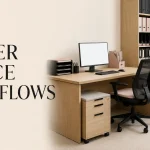
Organized home office with a simple paper filing system and workspace.

Paper clutter doesn’t have to control your home. Instead, a simple filing system can help you feel more organized and less overwhelmed.

Ultimately, the goal isn’t perfection. It’s creating a system that works for your family, your schedule, and your home.

Whether you choose FreedomFiler or another filing solution, consistency matters most.

Create a system that works for your family, your home, and your life.

Ready to simplify your paper clutter?

Contact Neatsie to schedule a consultation and create a filing system that finally works.

Leave a Reply

Your email address will not be published. Required fields are marked *