
The beginning of a new school year brings fresh routines, fuller schedules, and a steady stream of belongings moving through the house. Backpacks land by the door, papers collect on the counter, and mornings can quickly become rushed.
Fortunately, effective back-to-school home organization does not require complicated systems or a perfectly organized home. Instead, your family needs a few designated places and repeatable routines that make everyday tasks easier.
These seven practical systems can help your household manage backpacks, shoes, school papers, lunches, clothing, schedules, and after-school cleanup with less stress.
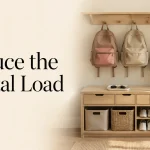
1. Create a Backpack Drop Zone

A designated backpack station prevents school bags from being dropped in walkways, bedrooms, or on the kitchen floor.
Choose a convenient location near the entrance your family uses most often. Depending on the available space, you might use wall hooks, cubbies, baskets, a small bench, or an existing coat closet.
Assign each child a clearly defined space. The backpack area should be easy for the child to reach and simple enough to use without help.
Additionally, keep the station focused on everyday school necessities. Too many unrelated items can make the area difficult to maintain.
A functional backpack drop zone may include:
- One hook or cubby for each backpack
- A smaller hook for a lunch bag
- A basket for hats, gloves, or seasonal accessories
- A nearby charging area for school devices
- A container for items that must return to school
The goal is to give frequently used belongings a reliable home. When children know exactly where their school items belong, both morning preparation and evening cleanup become easier.
2. Establish a Practical Shoe Station

Shoes can create clutter quickly, especially when every family member enters the house and leaves footwear near the door.
Create a shoe station close to the backpack drop zone. A low shoe rack, labeled basket, bench with storage, or shallow tray may be enough. Choose a solution based on the number of shoes your family uses during a typical school week.
Limit this area to everyday footwear. Meanwhile, special-occasion shoes, out-of-season footwear, and rarely worn pairs should be stored elsewhere.
You can also make mornings easier by encouraging each child to place the shoes they plan to wear the next day at the station before bedtime. This simple step eliminates a last-minute search and helps children participate in preparing for the day ahead.
3. Build a School Paper Management System

School papers are one of the most common sources of household clutter. Permission slips, homework, graded assignments, calendars, and school announcements often arrive at the same time.
Instead of allowing everything to collect in one pile, create three simple categories:
- Action: Papers requiring a signature, payment, response, or completed task
- Reference: Calendars, schedules, contact information, and current school details
- Keep: Special projects, artwork, report cards, and meaningful work
Therefore, place the action category somewhere adults will see it regularly. A labeled wall pocket, desktop file, or section of your family command center can work well.
Review incoming papers daily. Recycle anything you do not need, complete urgent forms promptly, and move long-term keepsakes out of the active paper system.
At the end of each grading period or semester, review the Keep category with your child. Then, select the most meaningful pieces rather than trying to preserve everything.
4. Organize a Lunch-Packing Station

Packing lunches becomes easier when supplies are grouped according to the task.
Create a lunch station in a pantry cabinet, kitchen drawer, or designated section of a shelf. Store lunch boxes, reusable containers, snack bags, utensils, napkins, and water bottles together whenever possible.
Next, organize frequently used foods into easy-to-find categories. You might designate separate pantry and refrigerator bins for:
- Lunch entrées
- Fruit and vegetables
- Snacks
- Drinks
- Grab-and-go breakfast items
Choose containers that children can see, reach, and open independently when appropriate. This allows them to help select snacks, refill their lunch bags, or pack portions of their own meals.
Before purchasing new organizers, however, use the bins and baskets you already own. Test the arrangement for a week or two. Once you know the system works, you can decide whether different products would improve the space.
5. Prepare Clothing for the School Week

Choosing clothing in advance can eliminate one of the most common sources of morning frustration.
Set aside a few minutes each weekend to review the weather, school activities, sports practices, and special events for the upcoming week. Then, help younger children select appropriate outfits.
You can organize clothing by day using:
- Hanging day-of-the-week labels
- Five shelf dividers
- Individual drawers or baskets
- A designated section of the closet
- A portable hanging organizer
Additionally, include socks, undergarments, and accessories whenever possible. If a uniform, team shirt, or special outfit is needed, confirm that it is clean before the night it will be worn.
Older children may not need complete outfits prepared for them. However, they can still benefit from checking their schedules and selecting the next day’s clothing before bed.
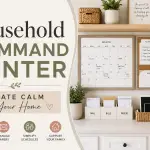
6. Set Up a Family Schedule Center

A shared family calendar helps everyone understand what is happening and what preparation is required.
Place the schedule somewhere family members naturally pass each day. This might be the kitchen, mudroom, hallway, or another central location.
Your schedule center may include:
- A monthly family calendar
- A weekly schedule
- School events and deadlines
- Work schedules
- Appointments
- Sports practices and activities
- Meal plans
- Transportation arrangements
- A short shopping or reminder list
Use one consistent method for adding new information. If your family relies on a digital calendar, keep it updated and consider displaying a short weekly overview in the home.
Review the upcoming week together on Sunday. As a result, a five-minute family check-in can reveal scheduling conflicts, missing supplies, transportation needs, and deadlines before they become last-minute emergencies.
7. Create an After-School Reset Routine

Organization works best when the household has a short routine for restoring order.
An after-school reset does not need to take long. Ten focused minutes may be enough when each person follows the same basic sequence.
For example, a simple reset routine could include:
- Hang up the backpack.
- Place shoes in the shoe station.
- Empty the lunch box and water bottle.
- Put school papers in the correct category.
- Connect school devices to their chargers.
- Complete or prepare homework.
- Repack the backpack for the following day.
Adjust the routine to suit each child’s age and schedule. Some children may need a snack or short break before beginning. Others may benefit from completing the reset immediately while the routine is still fresh.
Keep the checklist visible until the sequence becomes a habit. Over time, children can complete more of the routine independently. As a result, the entire household shares responsibility for maintaining the system.
Start With the System That Causes the Most Stress
You do not need to organize every school-related area at once. Begin with the part of the day that currently creates the most frustration.
If your family searches for shoes every morning, start with the shoe station. When papers cover the kitchen counter, create the paper-management system first. For families struggling with lengthy lunch preparation, grouping lunch supplies may provide the greatest relief.
Instead, allow the first system to become familiar before adding another. Simple systems are easier to maintain when they reflect your family’s actual routines, available space, and individual needs.
Make School Days Easier With Personalized Organization
Every household manages school mornings differently. The right organizing solution should support how your family enters the home, prepares meals, manages paperwork, and gets ready each day.
Neatsie creates thoughtful, practical organizing systems designed around the people who use them. Whether your family needs a functional entryway, an organized pantry, a family command center, or help preparing the entire home for a busy school year, we can develop a solution that feels manageable and natural.