
Children grow quickly, routines constantly change, and family spaces often need to adapt to new stages of life. Organizing for kids is not about creating perfect bedrooms or spotless playrooms. Instead, it focuses on creating practical systems that support children while making life easier for parents.
Whether you are organizing a nursery, a toddler’s room, or a homework station, thoughtful organization can help children build independence and reduce daily stress.
Why Organizing for Kids Matters
Organizing for kids creates environments that support routines, learning, and independence. Children often thrive when they know where items belong and can participate in maintaining their own spaces.
Benefits include:
- Easier routines.
- Less clutter.
- Improved independence.
- Better time management.
- Reduced stress.
- More functional spaces.
Simple systems often work best.
Organizing for Kids by Age

Babies and Nurseries
Keep frequently used items nearby:
- Diapers
- Wipes
- Clothing
- Feeding supplies
Clear labels and simple zones make nursery organization easier.
Toddlers
Use:
- Open bins.
- Picture labels.
- Low shelves.
- Accessible storage.
Children can begin learning where items belong.
School-Age Children
Create:
- Homework stations.
- Reading areas.
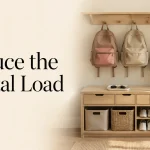
- Backpack zones.
- Activity storage.
These systems support independence and routines.
Organizing Toys
Toy clutter is one of the biggest challenges families face.
Helpful strategies include:
- Rotate toys.
- Limit duplicates.
- Group similar toys together.
- Label bins.
- Donate unused items regularly.
Toy rotation can make old toys feel new again.
Creating Functional Bedrooms
Bedrooms should support:
- Sleeping
- Playing
- Learning
- Dressing
Use categories for:
- Clothing
- Books
- Toys
- School supplies
Children should be able to access and put away their own belongings.
Homework and Study Spaces

Homework areas do not need to be large.
Include:
- Adequate lighting.
- Supplies nearby.
- Charging stations.
- Calendars.
- Storage containers.
Simple systems help reduce frustration.
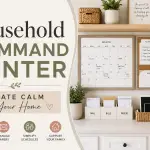
Family Command Centers
Family command centers can include:
- Calendars.
- School papers.
- Meal plans.
- Schedules.
- Important reminders.
These spaces help busy households stay organized.
Seasonal Decluttering for Children
Children quickly outgrow:
- Clothing.
- Shoes.
- Toys.
- Books.
Review items seasonally and donate what is no longer needed.
Benefits of Organizing for Kids
Organizing for kids can:
- Encourage responsibility.
- Support routines.
- Reduce overwhelm.
- Improve family organization.
- Create calmer spaces.
Organization does not need to be perfect to be effective.
Final Thoughts on Organizing for Kids

Organizing for kids is about creating systems that grow alongside your family. Small changes can make everyday routines easier and help children develop lifelong organizational skills.
If you’re reading this because you’re interested in organizing support, Neatsie offers personalized solutions for Home Organizing and Life Transitions. Contact Neatsie to schedule your consultation and learn how professional organizing can help simplify your space.