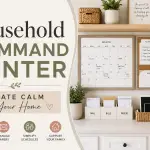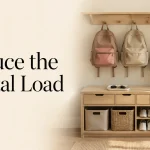

A well-organized home isn’t about perfection. It’s about creating spaces that support your daily routines, reduce stress, and make life easier. Whether you’re tackling a single room or your entire house, this home organization guide will walk you through practical strategies that create lasting results.
According to the National Association of Productivity and Organizing Professionals, organized spaces can improve efficiency and reduce feelings of overwhelm. The goal isn’t simply to own less—it’s to create systems that work for your family and your lifestyle.
Why a Home Organization Guide Matters
Many people begin organizing by purchasing containers or rearranging items. Unfortunately, this often leads to frustration because the underlying systems never change.
A home organization guide provides a step-by-step approach that helps you:
- Reduce clutter.
- Improve routines.
- Maximize storage.
- Simplify cleaning.
- Save time.
- Reduce stress.
By following a consistent process, every room in your home can become more functional.
Step 1: Declutter Before You Organize

The first step in any home organization guide is decluttering.
Before purchasing products or reorganizing shelves, sort items into categories:
- Keep
- Donate
- Recycle
- Trash
- Relocate
Ask yourself:
- Do I use this?
- Do I love this?
- Would I buy this again?
- Does this support my current lifestyle?
Removing unnecessary items creates space for better organization.
Step 2: Create Zones Throughout Your Home
One of the most effective strategies in a home organization guide is creating zones.
Examples include:
Kitchen Zones
- Cooking
- Baking
- Snacks
- Coffee
- Food storage
Entryway Zones
- Shoes
- Bags
- Keys
Bathroom Zones
- Daily use items
- First aid
- Hair products
- Cleaning supplies
Zones help family members know exactly where items belong.
Step 3: Organize Your Kitchen and Pantry
The kitchen is often one of the hardest working spaces in the home.
Helpful strategies include:
- Group similar items together.
- Use clear containers.
- Label shelves and bins.
- Store frequently used items within reach.
- Remove expired food.
Pantries benefit from designated categories such as:
- Snacks
- Breakfast foods
- Baking supplies
- Pasta and grains
- Canned goods
Small changes can make meal preparation easier and reduce food waste.
Step 4: Organize Bedrooms and Closets
Closets should support your daily routines.
Try these strategies:
- Remove clothing that no longer fits.
- Group items by category.
- Organize by color if helpful.
- Store seasonal items separately.
- Use matching hangers.
Bedrooms should feel calm and restful. Limiting clutter on nightstands and dressers can create a more peaceful environment.
Step 5: Organize Paper and Home Offices

Paper clutter is one of the most common frustrations homeowners experience.
Create simple categories:
- Action items
- Filing
- Household information
- School papers
- Financial records
Use:
- File boxes
- Label systems
- Desktop organizers
- Shredding containers
Small systems can prevent paperwork from becoming overwhelming.
Step 6: Organize Bathrooms and Linen Closets
Bathrooms function best when only frequently used items remain accessible.
Consider:
- Removing expired products.
- Grouping items by purpose.
- Using drawer organizers.
- Limiting duplicates.
Linen closets benefit from:
- Folded sets.
- Labels.
- Baskets.
- Seasonal rotation.
Step 7: Organize Garages and Storage Areas
Garages often become catch-all spaces.
Create categories such as:
- Tools
- Sports equipment
- Holiday decorations
- Yard supplies
- Automotive items
Vertical storage, shelving, and labeled bins can dramatically improve these spaces.
Step 8: Maintain Your Home Organization Systems

The final step in a home organization guide is maintenance.
Helpful habits include:
- Ten-minute nightly resets.
- Weekly decluttering sessions.
- Seasonal reviews.
- Donation boxes.
- Family participation.
Organization is not a one-time project. Simple maintenance routines help systems last.
Benefits of Following a Home Organization Guide
Home organization offers many benefits beyond tidy spaces.
Many families experience:
- Reduced stress.
- Better routines.
- Increased productivity.
- Easier cleaning.
- Improved time management.
- More enjoyable spaces.
Organized homes often support both physical and emotional well-being.
When to Consider Professional Organizing Services
Sometimes projects become overwhelming or difficult to complete alone.
Professional organizing services can help with:
- Whole-home organization.
- Decluttering projects.
- Moving and downsizing.
- Nursery preparation.
- Paper management.
- Senior transitions.
Having support and accountability often makes the process easier.
Final Thoughts on Home Organization
A well-organized home is built one step at a time. Small changes can create significant improvements in how your spaces function and how you feel within them.
If you’re reading this because you’re interested in organizing support, Neatsie offers personalized solutions for Home Organizing and Life Transitions. Contact Neatsie to schedule your consultation and learn how professional organizing can help simplify your space.